
Commercial Grease Trap Cleaning Service
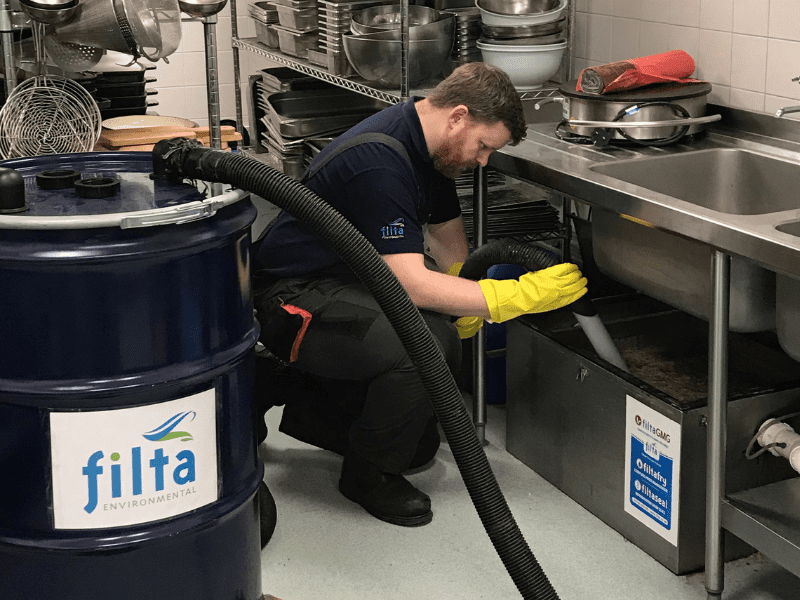
Filta provides a professional grease and fat trap cleaning service designed to keep your commercial kitchen compliant, clean and efficient.
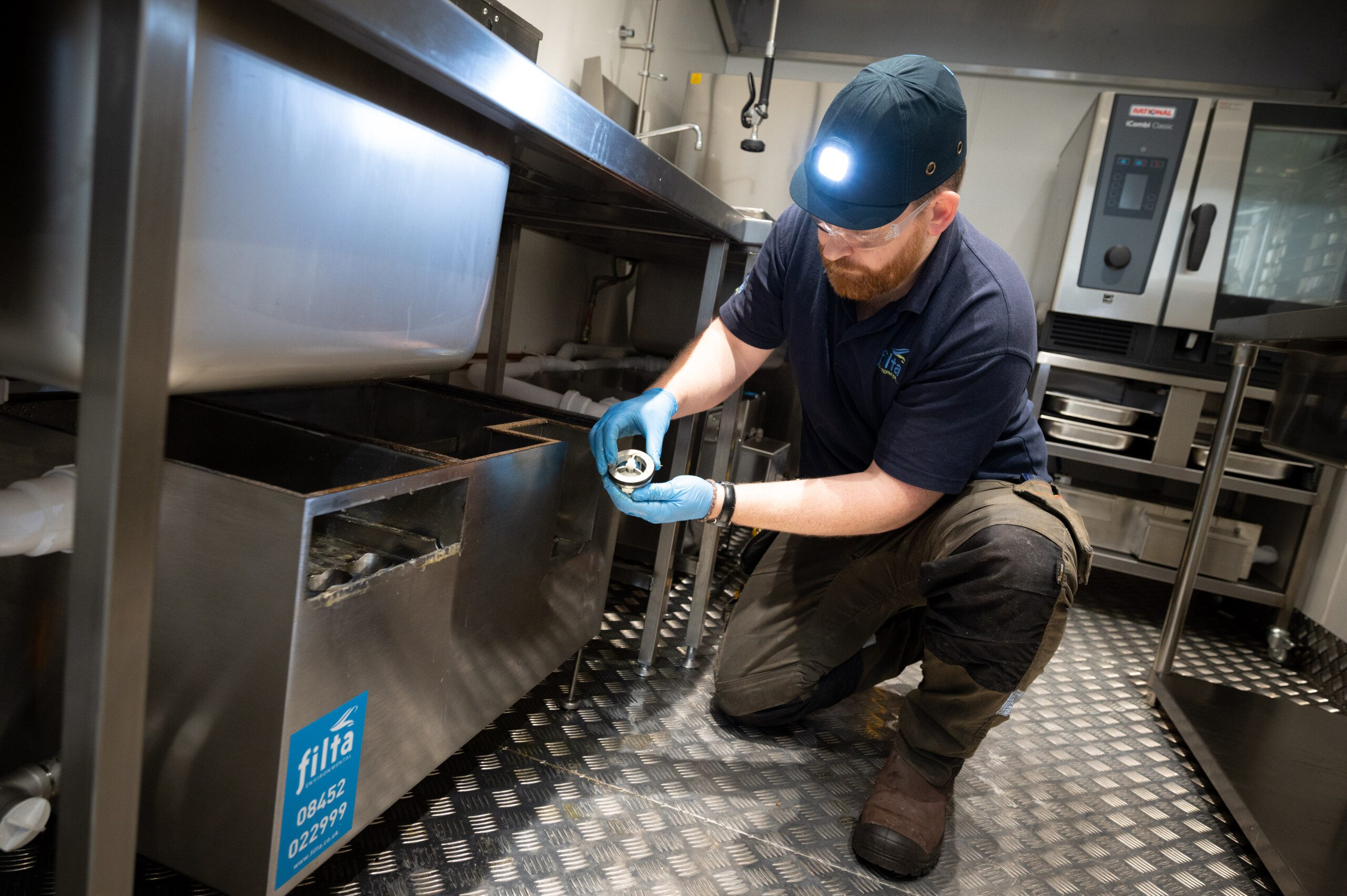
Our expert engineers specialise in commercial grease trap cleaning, using safe and effective methods to remove FOG (Fats, Oils and Grease) build-up. We help you avoid costly blockages, foul odours and potential fines, while ensuring your kitchen runs smoothly every day.
Whether you manage a restaurant, hotel, school, or hospital, Filta is a nationwide grease trap cleaning company with full Environment Agency licensing for safe FOG waste disposal.
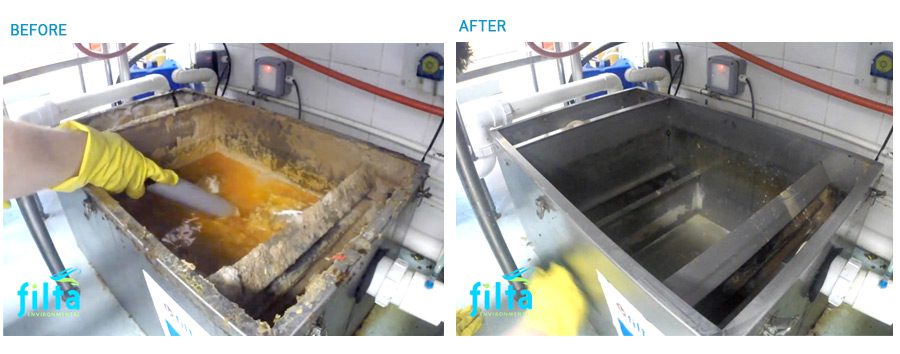
Why Choose Filta for Your Grease Trap Cleaning?
Grease Trap Cleaning for Commercial Kitchens
At Filta, our grease tank cleaning services are tailored to your business needs. We ensure your fat traps are cleaned thoroughly, and your waste is disposed of legally, giving you complete peace of mind.
Restaurants
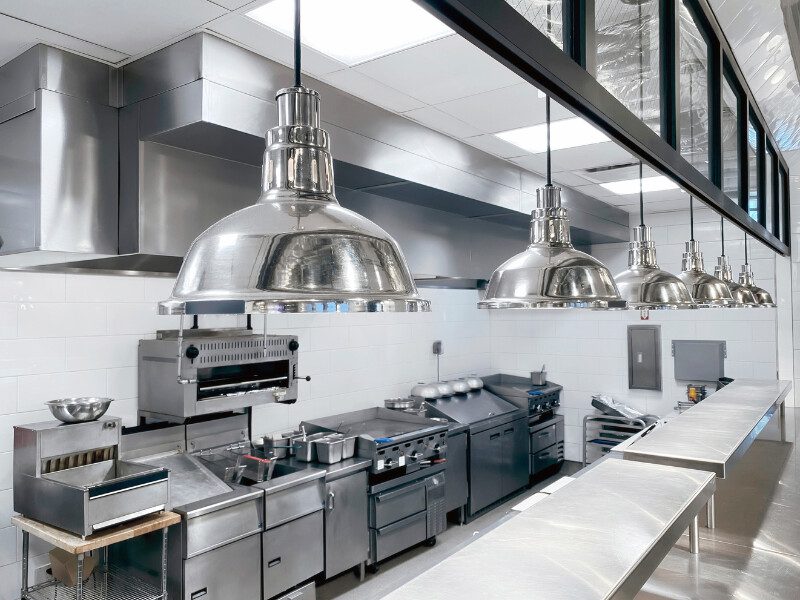
Restaurant kitchens produce large volumes of FOG daily. Regular fat trap cleaning and grease trap services help prevent blockages that could interrupt service. Filta’s engineers work around your schedule to carry out cleans efficiently, ensuring minimal disruption to your operations.
Hotels
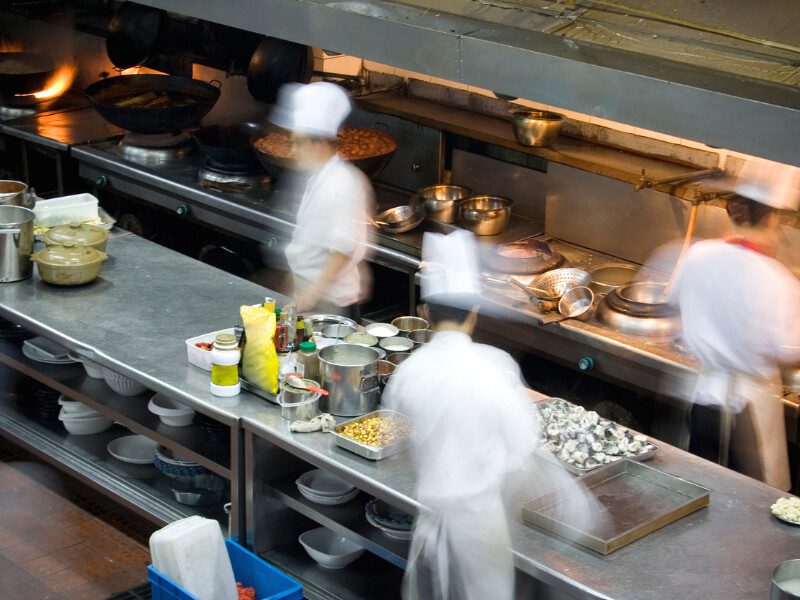
Hotels rely on consistent kitchen performance. Our grease trap service keeps your systems clean, helping maintain high hygiene standards and a pleasant environment for guests and staff. A scheduled plan keeps your trap under control when it matters.

Schools and Education
Canteens and school kitchens must comply with hygiene and environmental regulations. Our grease trap cleaning team ensures your systems are properly maintained, reducing odours and avoiding drainage issues during busy lunchtimes.
Hospitals
In hospitals and healthcare settings, cleanliness and compliance are essential. Filta’s grease trap cleaning keeps drainage systems clear and sanitary, supporting safe food preparation and waste management.
Explore our full range of Grease Management Solutions to see how Filta can support your business end to end.
Importance of Professional Grease Trap Cleaning
Every busy kitchen relies on a functioning grease trap to prevent FOG from entering the drainage system. Without a proper grease trap cleanout, your fat trap can quickly overflow, causing foul smells, fatbergs in local sewer networks, and even prosecution under the Water Industry Act 1991.
A commercial grease trap should be cleaned by a licensed professional. Its contents are controlled waste, so they must be collected by a registered waste carrier and taken to an authorised facility. You remain legally responsible for your waste, including after it leaves your site, under the Environmental Protection Act 1990. A professional clean comes with a waste transfer note to prove it was disposed of correctly.
How Often Should a Grease Trap Be Cleaned?
Typical grease trap cleaning should occur every 90 days, though frequency depends on kitchen size, volume of effluent and kitchen usage.
A good way to tell is by the level of grease inside. If it is more than 25% of the liquid, it’s time to empty it.
Filta’s expert engineers will assess your grease trap and site usage to determine how often it needs cleaning. We then use this to create a grease management plan which, if followed, keeps your trap working and your business open.
Signs Your Grease Trap Needs Cleaning
There are several signs that your grease trap may need to be cleaned; the most obvious signs are:
Maintenance and Record Keeping
To keep your fat trap running smoothly and maintain compliance with regulations:
How much does it cost to have a grease trap cleaned?
The cost of a grease trap clean depends on the size and type of your trap, how often it needs cleaning and how easy it is to reach. We give you a clear quote once we know your site.
To get a quote, call 01788 550 100 or send us a message.
Speak to Our Grease Trap Cleaning Experts
Filta’s nationwide engineers deliver reliable, compliant, and environmentally responsible grease trap cleaning services to commercial kitchens across the UK.
Call us on 01788 550 100 or contact us online to book your service today.
A plumber can clear blockages, but cleaning a grease trap also means transporting and disposing of controlled waste, which requires a waste carrier licence.
The terms are often used interchangeably, but there is a difference. A grease trap is typically a smaller unit installed close to sinks or kitchen equipment, while a grease interceptor is a larger-capacity system designed to handle wastewater from an entire commercial kitchen or site. Both are used to separate fats, oils and grease (FOG) before they enter the drainage system.
Most grease traps require cleaning every three months, but this varies depending on usage. Heavy-use kitchens, such as restaurants or hotels, may need more frequent servicing. Filta’s experts can recommend a cleaning schedule tailored to your site.
If grease traps are neglected, FOG can overflow into drainage systems, causing blockages, foul odours, and potential fines from local authorities. In severe cases, this can lead to kitchen closures or environmental contamination.
Smells come from FOG and food waste building up, so the best fix is regular grease trap cleaning. Scrape food waste into the correct bins before washing up, including liquids like milk, to reduce the FOG reaching your trap. If smells persist, an enzyme dosing unit releases enzymes into your drains at scheduled intervals, breaking down FOG so it’s easier to manage.